Tampa Art Galleries. Things To Do In Tampa.Famous Florida Artist AND Famous Tampa ARTIST, HONG KONG WILLIE. LIVING THE LIFE OF USING OBJECTS FOR MANY USES.
OUR TERMS ARE CASH, NO CARDS. Tampa Gold Wilderness Local Honey is renown for its unique flavor and superb quality. This owes much to the placement of our beehives in the Tampa Wilderness areas. We do this for extended periods, allowing our bees to collect nectar from the blossoms of a diverse range of native plants in one of the most natural, undisturbed wilderness settings . Undeterred, our commitment to excellence led us to explore the varied floral tapestry of wilderness Honey.
Tampa Gold Local Wilderness Honey has the allergens native to the Tampa Area.
To help
with allergies, you need to have ,local raw Tampa honey. This will insure that
the honey has the allergens native to the Tampa Area. Buying
local To The Tampa Wilderness Area is better and not just because it reduces pollution and saves
resources. Savor the distinctive flavors and aromas that reflect the diverse botanical landscape of delicate sweetness of native blooms. Currently,
many researchers have reported the antibacterial activity of honey and
found that natural unheated honey has some broad-spectrum antibacterial
activity when tested against pathogenic bacteria, oral bacteria as well
as food spoilage bacteria In most ancient cultures honey has been used
for both nutritional and medical purposes. Indeed, medicinal
importance of honey has been documented in the world's oldest medical
literature, and since the ancient times, it has been known to possess
antimicrobial property.
Antimicrobial
agents are essentially important in reducing the global burden of
infectious diseases. However, as resistant pathogens develop and spread,
the effectiveness of the antibiotics is diminished. This type of
bacterial resistance to the antimicrobial agents poses a very serious
threat to public health, and for all kinds of antibiotics, including the
major last-resort drugs, the frequencies of resistance are increasing
worldwide. Therefore, alternative antimicrobial strategies are urgently
needed, and thus this situation has led to a re-evaluation of the
therapeutic use of ancient remedies, such as plants and plant-based
products, including honey.
By choosing Tampa Gold Wilderness , YOU support sustainable beekeeping practices and local third Generation BEE Keeper dedicated to preserving nature's purity. Experience the untamed Taste of Wilderness honey.
Our Tampa Gold Local Wildernesses Honey comes from the Wildernesses.
Wilderness
is an area of land that has been largely undisturbed by modern human
development. Wilderness areas usually lack roads, buildings, and other
artificial structures. This provides a natural environment for Producing
Local Honey at its Finest. Far from Houses,Buildings. Local Honey rich with Pollen. Our Raw Honey,Not Filtered, We do not Heat,. Nothing but what nectar was Gathered. You can savor the smell of the blossoms in the Honey . The concern from sprays used in our neighborhoods are reduced from Bees in Wilderness areas.
When
pilot Robert Coffey flew across Florida, just above treetop level
checking on telephone lines for a phone company in the 1980s, pesticides
would drip from the wings of his airplane at the end of the day.
The
sticky spray came from flying over citrus groves. Clouds of chemicals
rising from the fields covered the aircraft with a fine, toxic mist.
"It was so thick it came off in globs," said Coffey, 72, of Winter Park.
The
residue that dripped from Coffey's plane was the proverbial drop in a
bucket of chemicals - a huge bucket - that Florida farmers employ every
year to ward off insects and disease from their crops.
WE DO NOT SELL ORANGE BLOSSOM HONEY FOR THAT REASON.
Pint Mason Jar Tampa Gold Wilderness Local Honey is $17.50 Quart Mason Jar Tampa Gold Wilderness Local Honey is $29.50 1/2 Gallon Mason Jar Tampa Gold Wilderness Local Honey is $48.00 1 Gallon Tampa Gold Wilderness Local Honey $80.00
3 GENERATIONS OF PRODUCING HONEY AT ITS FINEST.. Local Raw Wilderness Honey for sale in Tampa
Our
Tampa Local Wilderness Honey is as it comes from the Bee Hive , which means it
retains all of the beneficial nutrients and antioxidants that it
naturally contains. Conversely, regular honey may undergo a variety of
processing, which may remove beneficial nutrients like pollen and reduce
its level of antioxidants.
Tampa Gold Raw Local Wilderness Honey is made by bees that have collected nectar
from a local source . The taste and composition of Exceptional Raw Honey
can vary depending upon the variety of flowers in bloom at the time the
honey is made.
WE ONLY SELL RAW Local Tampa Wilderness HONEY WE NEVER FEED OUR BEES SUGAR WATER, HONEY IS LEFT IN THE HIVE FOR THEM TO SURVIVE.
FEEDING SUGAR WATER IS NOT A REAL SOURCE, LIKE THE NECTAR THEY BRING IN FROM FLOWERS
NOTHING IS ADDED TO THE HONEY
Why not state or have our Honey certified ORGANIC.
1 . FIRST OF ALL NO BEE KEEPER IS AWARE OF THE TRAVELS OF EACH BEE.
2
. Any USA Certified Organic honey sold in the United States is imported
from other countries and certified organic by that country. ... A US
beekeeper can have non-certified organic honey that is raised
organically. But it is nearly impossible to produce organic honey.
3.
Currently, to be certified organic, honey must meet the general USDA
organic standards. But there aren't yet requirements specific to honey.
USDA does have recommended guidelines, but an actual organic standard
for honey has been in the works since 2001.
ONE SIGN THE HONEY YOU ARE BUYING IS STATED IT IS ORGANIC . IT IS FAKE
Trapping pollen has the potential to inflict significant nutritional stress on the colony. Collecting it may adversely affect the health of the bees and even destroy the colony.
The truth about Royal Jelly, well-managed hive during a season of 5–6 months can produce approximately 500 g (18 oz) of royal jelly, also
Collecting it may adversely affect the health of the bees and even destroy the colony.
The manuka honey scandal.
Manuka honey is often touted as a “superfood, fact is that is no better than any other REAL HONEY.
But with more being sold than is actually produced, is
there some dodgy dealing going on?
Science or Snake Oil: is manuka honey really a ‘superfood’ for treating colds, allergies and infections? Claims are nonsense.
According to recent studies and reports, a significant portion of Manuka honey on the market is considered fake,
with investigations revealing that nearly half of tested samples may be
adulterated with sugars, particularly when not sourced from New Zealand
and lacking proper certification, indicating a high rate of fraudulent
Manuka honey products.
REAL Honey HAS BEEN FOUND TO BE NO DIFFERENT FROM MANUKA HONEY
REAL HONEY used as an anti-inflammatory, antioxidant and antibacterial
agent. People commonly use honey orally to treat coughs and topically to
treat burns and promote wound healing.
While honey sticks can be a convenient way to consume honey, some argue they are not "good" because they
often contain a larger portion of sugar than traditional honey, can be
less environmentally friendly due to the packaging, and might not always
guarantee high-quality honey depending on the brand, potentially
leading to concerns about purity and taste.
Packaging waste:
The individual packaging of honey sticks can contribute to more plastic waste compared to buying honey in a larger container.
Quality concerns:
Some brands might use lower quality honey in their honey sticks, which could impact taste and nutritional value
Reuse artist.
Hong Kong Willie.. Artist of the 60’s in the now. Acclaimed Famous Florida folk artist, Living the Life of using objects for many uses. Follow the travels of life.
.
Hippie Bag Hong Kong Willie Green Bag
.
Best Place to Buy $1 Kitsch & $10,000 Folk Art Best of the Bay Award:
.
Google: Hong Kong Willie
The
year was 1958. Joe Brown, 8, lived next to a county dump site in Tampa,
Fla. Brown found old junk, fixed it up and sold it. Brown knew he had a
higher calling in life — he was destined to be an artist.
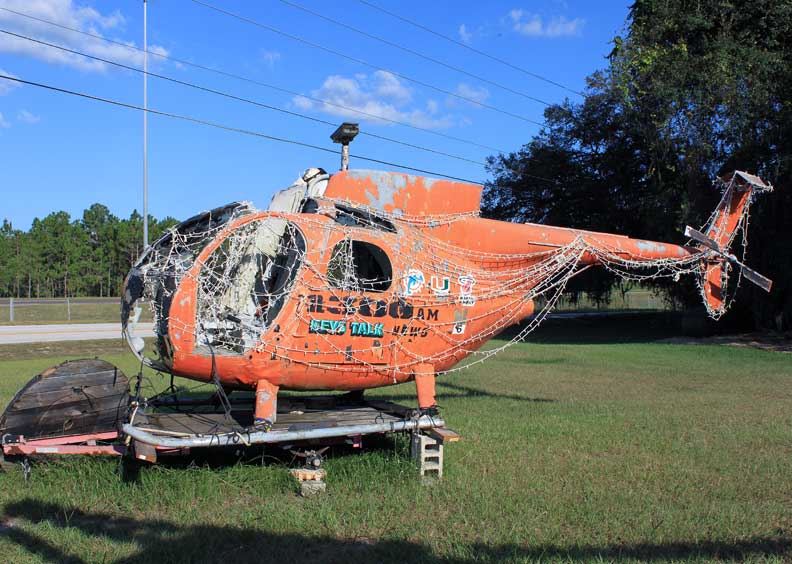
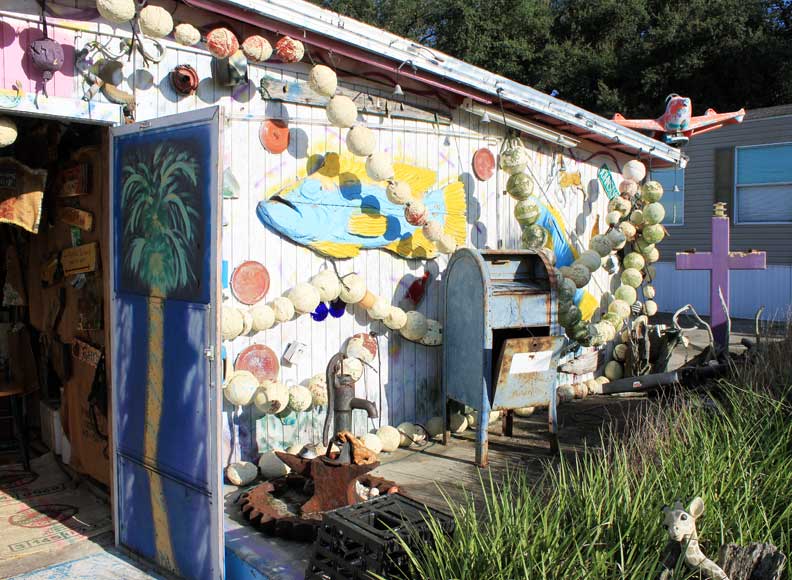
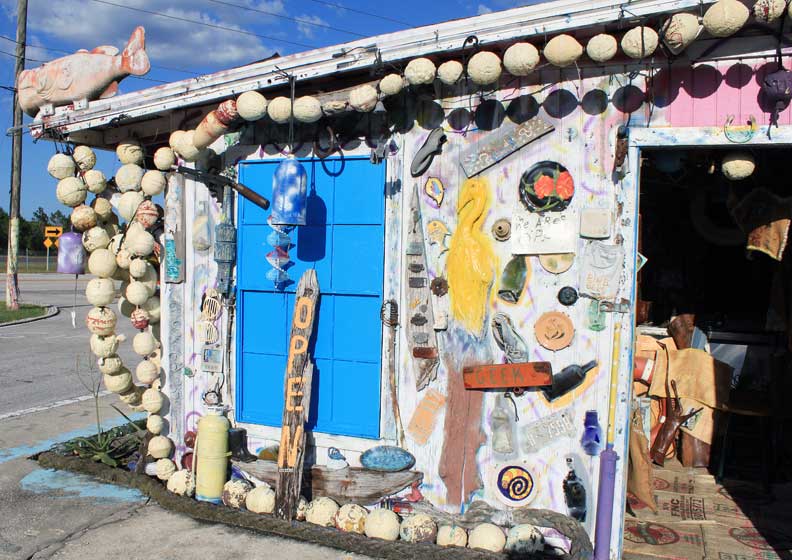
Brown, who is now 60, makes art from trash at hisHong Kong Willie Art Gallery. He has embellished the outside of the gallery with splashes of Caribbean-color paint and found objects reminiscent of Key West.
Brown
is as colorful as the gallery — he wears a bright tropical shirt with
red, white and blue plaid shorts. Patrons tell him they can smell the
salt water when they drive up. The gallery, however, is perched inland
near Morris Bridge Road and Interstate 75 where a rusty-hair hen named
Fred, first thought to be a rooster, patrols the property. Fred,
abandoned five years ago by tourists, trots between the gallery and
adjacent hotel leaving a trail of droppings behind her.
Brown
lived on the Gunn Highway Landfill from 1958 to 1963. The Hillsborough
County landfill operated for four years and was closed in 1962. “It was
astounding how quick they could fill the 15 acres in pits that were
enormous,” Brown said.
An
apartment complex now sits on top of the old landfill. A report by the
Florida Department of Environmental Protection indicated that a lining
was placed underneath the complex when it was built to block methane gas from leaking. The gas is a byproduct of rotting garbage.
As a child, Brown
lived on his father’s dairy and beef farm. Brown said during heavy
rain, the low land on the farm flooded the neighboring Gunn Highway. In
1957, Hillsborough County officials offered to elevate the low land to
stop the flooding by turning it into a landfill. When the property was
sold in 1984 by Brown’s father, soil testing revealed heaps of old paper
and punctured cans of spray paint.
“They
dug up and took out newspapers like the day they were put in,” Brown
said. “It reminded me of nuclear bombs that were going to go off. They
dumped everything in the landfill.”
As
a child, Brown foraged at nearby dumpsters. County workers saved junk
for him that people dropped off. One day, Brown’s parents got a call
from his elementary school teacher and told them that Brown had $100 in
his pocket and that he must be stealing.
Brown
picked up the saved junk after school and turned it into something new.
Contrary to his elementary school teacher’s accusation, he wasn’t a
thief after all. Instead he was a young entrepreneur who sold other
people’s trash.
“There was so much excess coming into the landfill,” Brown said. “There was so much waste from our society.”
However,
Brown’s mother wanted him to pursue his talents and dreams, not money.
But he developed a business sense during his young junk collecting days
and told his mother, “I’m not going to be an artist. I’ve read that
artists starve to death.”
Brown’s
mother became concerned. He said his mother knew “the value of
happiness and the travels of life” and sent him to a summer art class.
The
art teacher inspired awe in Brown. She taught him how to reuse baby
food jars by melting the glass and adding marbles to the mix to create
paper weights. The teacher had traveled to Hong Kong, China and
Hiroshima, Japan after World War II. She saw how people were forced to
recycle and reuse items out of necessity after the war. This left an
impression on Brown.
It
was at this time that he personified the name Hong Kong Willie, which
harkens back to China where the mass production of merchandise occurs.
The “Willies” are people like Brown and other environmentalists who try
to reuse trash instead of throwing it into landfills.
After
high school, Brown went to college to study business but dropped out
after three years. He worked in the material handling industry until
1981. Although Brown had achieved a successful career and lifestyle, he
had become discouraged in 1979.
“The change came from knowing that I had come to the point of what people call success,” Brown said. “I wasn’t happy inside.”
He
had been diagnosed with depression in 1973, a condition that was caused
from high fructose intake and that lasted for more than four years.
In
1985, Brown and his artist wife, Kim, bought the half-acre property off
Fletcher Avenue and Morris Bridge Road. For two decades the two small
wooden shacks, built around 1965, that now house the gallery operated as
a bait and tackle shop.
Nowadays,
Brown raises and sells worms by the pound mainly for composting. He
recycled 250 thousand pounds in the worm bed in 2009. Brown still sells
the worms for $3.50 a cup for fishing.
In
1981, Brown resurrected the Hong Kong Willie name from his childhood
art class. In the early 1980s, both he and his wife, Kim, began
upcycling trash into art. Brown entered another world when he left his
mainstream lifestyle behind — he joined the art scene and booked rock
bands at the same time.
The
Brown family spent half their time in Tampa and the other half in a
small home on Boot Key Harbor in Marathon. Brown gained the reputation
of the Key West lobster buoy artist.
“I had a total different appearance when in Key West,” Brown said. “I used to have hair down to my waist.”
When Brown came back to Tampa, he lived in the woods for months at a time, much like Henry David Thoreau in “Walden,” who had lived a simple lifestyle in a one room cabin near Walden Pond in Concord, Mass.
Back
in Key West, Brown became friends with local fishermen. He and others
organized efforts to clean up plastic foam buoys that had collected in
the waterways from years of fishing.
“You would go and find buoys floating in the mangroves, up on the shore and they had trashed up everything,” Brown said.
The
Earth Resource Foundation reports that plastic foam is dumped into the
environment. It breaks up into pieces and chokes animals by clogging
their digestive system.
Brown
sells the buoys from the Hong Kong Willie Art Gallery for $2.00 a
piece. He said he has sold from 30 to 40 thousand buoys in the last ten
years. Some of the buoys are more than 50 years old and are collected by
tourists from China and Japan.
“If
you go to the Keys right now and you see a buoy floating, you’ll see
someone slam on the brakes to get it,” Brown said. “They’re the most
prized buoys of the world.”
Brown
made a holiday buoy tree 12 years ago from the Key West buoys. Hundreds
of buoys are strung on rope and wrapped around a utility pole next to
the gallery. Brown hopes the novelty of the buoy tree will inspire and
stimulate children to find new ways to reduce, reuse and recycle
garbage.
In
Kate Shoup’s “Rubbish! Reuse Your Refuse,” the author said much of what
we get is designed to be scrapped after only a few uses. We easily
throw away pens, lighters, razors and dozens of other items. Shoup said
Americans consume 2 million plastic drink bottles every 5 minutes.
Likewise,
Brown finds uses for items that would otherwise end up in a landfill.
He buys used burlap bags from coffee and peanut producers. He sells them
to the U.S. National Forestry Service for the collection of pine seeds
and Samuel Adams for hops production.
Brown and his wife, Kim, also make art hippie bags from the burlap sacks and sell them in the gallery. Kim,
also an artist, paints fish, turtles, crows, parrots and the like on
driftwood and on wood that Brown has salvaged from saw mills and from
old buildings in Key West.
Brown
said art is viewed and appreciated by certain people. “If it all came
out the same, it would be like bland grits all the time,” Brown said. He
likes to refer to the gallery art as reused rather than recycled, which
takes waste and turns it into an inferior product. Reuse on the other
hand involves remaking an item and using it again for the same intended
purpose.
“I
also try to stay away from imprinting a definite use for a definite
item,” Brown said. He explains that 2-liter bottles are not limited to
making bird feeders. The bottles can be used for art and craft projects
as well.
Brown said the larger message he wants to communicate is that the disposal of garbage today is creating a toxic environment.
“I still have the original Gerber baby food bottle that I melted” Brown said. “It’s sitting on my mom’s little table.”
I'm
working on a feature story about Hong Kong Willie aka Joe Brown and
family who are reuse artists. I recently spent some time interviewing Joe Brown at his studio in Tampa, Fla. We had a pleasant talk about his
working gallery. We sat outside and there was a nice breeze, although it
was a warm sunny day still here in Florida. Join me in the midst of
writing the story. I took a few pictures to share with you. Enjoy.
Hong Kong Willie reuse artists use old clothes, buttons, baseball leather and
yarns to sew and decorate the burlap bags.
Artist Born for this time, Lived on a landfill as a child. Reuse Became the way of life. To read the story from the inception of the Name Hong Kong Willie. Famed, by the humble statements from the Key West Citizen, viable art from reuse has found its time. To Live a life in the art world and be so blessed to make a social impact. Artists are to give back, talent is to tell a story, to make change. Reuse is a life experience.
Hong Kong Willie Art Gallery In Tampa, a reuse Art Gallery. Artist Kim,Derek,and Joseph. reuse artist that have lived the life and are meant for the green movement in the world. A gallery that was born for this time. Artist living a freegan life,art that makes a social statement of reuse. Media that has a profound effect in making the word green truly a movement of reuse in the world today and the future.
Sacs à main vert Famous Artist en Amérique HIPPIES sacs. Why, Look for Hong Kong Willie On Bing Pourquoi, Look de Hong Kong Willie Le Bing
Hippie Gallery Hippie Gallery.
HIPPIE BAGS FOR SALE HONG KONG WILLIE HIPPIE SACS DE VENTE HONG KONG WILLIE
HIPPIES BAGS for sale CALL HONG KONG WILLIE GALLERY 813 770 4794 HIPPIES BAGS vente APPEL HONG KONG WILLIE GALERIE 813 770 4794
HIPPIES BAGS HIPPIES BAGS
The
year was 1958. Joe Brown, 8, lived next to a county dump site in Tampa,
Fla. Brown found old junk, fixed it up and sold it. Brown knew he had a
higher calling in life — he was destined to be an artist.
Brown, who is now 60, makes art from trash at hisHong Kong Willie Art Gallery. He has embellished the outside of the gallery with splashes of Caribbean-color paint and found objects reminiscent of Key West.
Brown
is as colorful as the gallery — he wears a bright tropical shirt with
red, white and blue plaid shorts. Patrons tell him they can smell the
salt water when they drive up. The gallery, however, is perched inland
near Morris Bridge Road and Interstate 75 where a rusty-hair hen named
Fred, first thought to be a rooster, patrols the property. Fred,
abandoned five years ago by tourists, trots between the gallery and
adjacent hotel leaving a trail of droppings behind her.
Brown
lived on the Gunn Highway Landfill from 1958 to 1963. The Hillsborough
County landfill operated for four years and was closed in 1962. “It was
astounding how quick they could fill the 15 acres in pits that were
enormous,” Brown said.
An
apartment complex now sits on top of the old landfill. A report by the
Florida Department of Environmental Protection indicated that a lining
was placed underneath the complex when it was built to block methane gas from leaking. The gas is a byproduct of rotting garbage.
As a child, Brown
lived on his father’s dairy and beef farm. Brown said during heavy
rain, the low land on the farm flooded the neighboring Gunn Highway. In
1957, Hillsborough County officials offered to elevate the low land to
stop the flooding by turning it into a landfill. When the property was
sold in 1984 by Brown’s father, soil testing revealed heaps of old paper
and punctured cans of spray paint.
“They
dug up and took out newspapers like the day they were put in,” Brown
said. “It reminded me of nuclear bombs that were going to go off. They
dumped everything in the landfill.”
As
a child, Brown foraged at nearby dumpsters. County workers saved junk
for him that people dropped off. One day, Brown’s parents got a call
from his elementary school teacher and told them that Brown had $100 in
his pocket and that he must be stealing.
Brown
picked up the saved junk after school and turned it into something new.
Contrary to his elementary school teacher’s accusation, he wasn’t a
thief after all. Instead he was a young entrepreneur who sold other
people’s trash.
“There was so much excess coming into the landfill,” Brown said. “There was so much waste from our society.”
However,
Brown’s mother wanted him to pursue his talents and dreams, not money.
But he developed a business sense during his young junk collecting days
and told his mother, “I’m not going to be an artist. I’ve read that
artists starve to death.”
Brown’s
mother became concerned. He said his mother knew “the value of
happiness and the travels of life” and sent him to a summer art class.
The
art teacher inspired awe in Brown. She taught him how to reuse baby
food jars by melting the glass and adding marbles to the mix to create
paper weights. The teacher had traveled to Hong Kong, China and
Hiroshima, Japan after World War II. She saw how people were forced to
recycle and reuse items out of necessity after the war. This left an
impression on Brown.
It
was at this time that he personified the name Hong Kong Willie, which
harkens back to China where the mass production of merchandise occurs.
The “Willies” are people like Brown and other environmentalists who try
to reuse trash instead of throwing it into landfills.
After
high school, Brown went to college to study business but dropped out
after three years. He worked in the material handling industry until
1981. Although Brown had achieved a successful career and lifestyle, he
had become discouraged in 1979.
“The change came from knowing that I had come to the point of what people call success,” Brown said. “I wasn’t happy inside.”
He
had been diagnosed with depression in 1973, a condition that was caused
from high fructose intake and that lasted for more than four years.
In
1985, Brown and his artist wife, Kim, bought the half-acre property off
Fletcher Avenue and Morris Bridge Road. For two decades the two small
wooden shacks, built around 1965, that now house the gallery operated as
a bait and tackle shop.
Nowadays,
Brown raises and sells worms by the pound mainly for composting. He
recycled 250 thousand pounds in the worm bed in 2009. Brown still sells
the worms for $3.50 a cup for fishing.
In
1981, Brown resurrected the Hong Kong Willie name from his childhood
art class. In the early 1980s, both he and his wife, Kim, began
upcycling trash into art. Brown entered another world when he left his
mainstream lifestyle behind — he joined the art scene and booked rock
bands at the same time.
The
Brown family spent half their time in Tampa and the other half in a
small home on Boot Key Harbor in Marathon. Brown gained the reputation
of the Key West lobster buoy artist.
“I had a total different appearance when in Key West,” Brown said. “I used to have hair down to my waist.”
When Brown came back to Tampa, he lived in the woods for months at a time, much like Henry David Thoreau in “Walden,” who had lived a simple lifestyle in a one room cabin near Walden Pond in Concord, Mass.
Back
in Key West, Brown became friends with local fishermen. He and others
organized efforts to clean up plastic foam buoys that had collected in
the waterways from years of fishing.
“You would go and find buoys floating in the mangroves, up on the shore and they had trashed up everything,” Brown said.
The
Earth Resource Foundation reports that plastic foam is dumped into the
environment. It breaks up into pieces and chokes animals by clogging
their digestive system.
Brown
sells the buoys from the Hong Kong Willie Art Gallery for $2.00 a
piece. He said he has sold from 30 to 40 thousand buoys in the last ten
years. Some of the buoys are more than 50 years old and are collected by
tourists from China and Japan.
“If
you go to the Keys right now and you see a buoy floating, you’ll see
someone slam on the brakes to get it,” Brown said. “They’re the most
prized buoys of the world.”
Brown
made a holiday buoy tree 12 years ago from the Key West buoys. Hundreds
of buoys are strung on rope and wrapped around a utility pole next to
the gallery. Brown hopes the novelty of the buoy tree will inspire and
stimulate children to find new ways to reduce, reuse and recycle
garbage.
In
Kate Shoup’s “Rubbish! Reuse Your Refuse,” the author said much of what
we get is designed to be scrapped after only a few uses. We easily
throw away pens, lighters, razors and dozens of other items. Shoup said
Americans consume 2 million plastic drink bottles every 5 minutes.
Likewise,
Brown finds uses for items that would otherwise end up in a landfill.
He buys used burlap bags from coffee and peanut producers. He sells them
to the U.S. National Forestry Service for the collection of pine seeds
and Samuel Adams for hops production.
Brown and his wife, Kim, also make art hippie bags from the burlap sacks and sell them in the gallery. Kim,
also an artist, paints fish, turtles, crows, parrots and the like on
driftwood and on wood that Brown has salvaged from saw mills and from
old buildings in Key West.
Brown
said art is viewed and appreciated by certain people. “If it all came
out the same, it would be like bland grits all the time,” Brown said. He
likes to refer to the gallery art as reused rather than recycled, which
takes waste and turns it into an inferior product. Reuse on the other
hand involves remaking an item and using it again for the same intended
purpose.
“I
also try to stay away from imprinting a definite use for a definite
item,” Brown said. He explains that 2-liter bottles are not limited to
making bird feeders. The bottles can be used for art and craft projects
as well.
Brown said the larger message he wants to communicate is that the disposal of garbage today is creating a toxic environment.
“I still have the original Gerber baby food bottle that I melted” Brown said. “It’s sitting on my mom’s little table.”
I'm
working on a feature story about Hong Kong Willie aka Joe Brown and
family who are reuse artists. I recently spent some time interviewing Joe Brown at his studio in Tampa, Fla. We had a pleasant talk about his
working gallery. We sat outside and there was a nice breeze, although it
was a warm sunny day still here in Florida. Join me in the midst of
writing the story. I took a few pictures to share with you. Enjoy.
Hong Kong Willie reuse artists use old clothes, buttons, baseball leather and
yarns to sew and decorate the burlap bags.
Buoy, oh buoy – Hong Kong Willie snags drivers' attention Bouée, oh bouée - Hong Kong Willie chicots conducteurs attention
on 17 October 2007 ( 57 reads ) le 17 Octobre 2007 (57 lectures)
What's with all the buoys? Quoi de toutes les bouées? Hong Kong Willie beckons motorists from I-75 at the corner of Fletcher Avenue and Morris Bridge Road. Hong Kong Willie invite les automobilistes à partir de I-75 à l'angle de l'avenue Fletcher et Morris Bridge Road. The Temple Terrace area business has turned a bait shop into a tropical gifts store. Le Temple Terrace domaine des affaires est devenu un appât dans un magasin de cadeaux tropical magasin.
By Courtney Allen, Correspondent Par Courtney Allen, Correspondant
Tens of thousands of commuters and tourists pass by the large buoy tree daily, visible from Interstate 75 and Fletcher Avenue. Des dizaines de milliers de banlieusards et les touristes passent par le grand arbre de la bouée quotidien, visible de l'Interstate 75 et Fletcher Avenue. The buoy tree is more than just a creative landmark. La bouée d'arbre est plus que juste une création historique. It represents a movement towards preservation as an art and tropical conch way of life. Elle représente un mouvement vers la préservation de l'art et tropicales conch mode de vie.
Joe and Kim Brown are originally from Key West. Joe Brown et Kim sont à l'origine de Key West. Natives of the Keys are nicknamed conchs. Natives des clés sont surnommés conchs. They bought the half-acre property in 1985. Ils ont acheté la demi-acre de propriété en 1985. It was once a bait shop but since fishing has evolved into a more expensive hobby involving permits and increasingly sophisticated fishing gear, the Browns trasnformed their business into a gift shop in 2001. Il était une fois un magasin d'appâts de pêche, mais a depuis évolué vers une plus coûteux de permis et d'engins de pêche de plus en plus sophistiqués, les Browns trasnformed leurs affaires dans une boutique de cadeaux en 2001. They call it Hong Kong Willie. Ils l'appellent Willie Hong Kong.
They've been building onto the tree strung with buoys ever since. Ils ont mis en place sur l'arbre avec des bouées enfilés depuis.
“All buoys are numbered and have a specific color when they are made,” said Brown, pointing to her toppling creation. "Toutes les bouées sont numérotées et ont une couleur spécifique quand ils sont faits», a dit Brown, rappelant à son renversement création. “They have to.” «Ils doivent."
The colorful floats have a new life beyond fishing and navigation. Les flotteurs ont coloré une vie nouvelle au-delà de la pêche et la navigation. The Browns have been salvaging unwanted items since their move from Key West and they proudly display their works before the eyes of Florida residents and visitors. Les Browns ont été la récupération de leurs éléments indésirables depuis le passage de Key West et afficher fièrement leurs œuvres devant les yeux de la Floride, les résidents et les visiteurs.
And just as important as each buoy is, so too are the rusty surfboards and wrecked ship relics carefully positioned about the lawn. Et tout aussi important que chaque bouée est, c'est aussi le cas des planches de surf et de la rouille navire naufragé reliques soigneusement placé sur la pelouse. They all tell a story that couldn't be told from any landfill. Ils racontent tous une histoire qui ne pouvait pas être dit de toute décharge. No wall goes unpainted, no corner undecorated on the tiny property off Morris Bridge Road. Aucun mur va non peintes, sans coin décorés sur la petite propriété de Morris Bridge Road.
Kim Brown finished sewing a handbag she made from a coffee bag, stacking them on top of each other in preparation for their sale. Kim Brown a terminé à coudre un sac à main, elle a fait à partir d'un sac de café, de les empiler les uns sur les autres en vue de leur vente.
“If people bought these to go shopping, it could save 300 to 400 plastic bags that would otherwise go to a landfill,” Brown said. "Si ces personnes ont acheté pour aller faire du shopping, on pourrait économiser 300 à 400 sacs en plastique qui, autrement, seraient destinées à un site d'enfouissement», a déclaré Brown.
Their small gift shop is filled with original glasswork, ceramics and candles. Leur petite boutique est remplie de verre d'origine, de la céramique et des bougies.
Although their business isn't bustling with tourists, they make decorations for restaurants such as Gaspar's, a restaurant on 56th Street in Temple Terrace that connects to a deep-sea theme. Bien que leur entreprise n'est pas animée par les touristes, ils font des décorations de restaurants tels que Gaspar, un restaurant sur la 56e Rue à Temple Terrace, qui relie à un thème d'eau profonde.
“I always wondered what this place was because I see it every day. «Je me suis toujours demandé ce que ce lieu a été parce que je vois tous les jours. I think it's cool that they don't need to buy anything to make a living,” said Corey Lyons, a sales representative who passes the shop on his daily commute. Je pense que c'est cool qu'ils n'ont pas besoin d'acheter quelque chose pour gagner leur vie », a déclaré Corey Lyon, un représentant des ventes, qui passe de la boutique en son quotidiens.
The preservation art movement the couple partakes in is not just about reusing old items. La préservation mouvement artistique, le couple participe à ne s'agit pas seulement de réutiliser les anciens éléments. They convert artifacts into entirely new concepts. Ils convertissent les artefacts en concepts entièrement nouveaux. “We don't like to use the word recycling. "Nous n'aimons pas utiliser le terme de recyclage. We are conservationists,” Brown said. Nous sommes conservateurs », a déclaré Brown.
For more information about Hong Kong Willie click HERE Pour plus d'informations sur Hong Kong Willie cliquez ICI