
Saturday

Thursday
Hongkongwillie ART . UPDATED7/19/2023
Tampa Bay's 25 fantastically kitschy roadside attractions
Published in TB2
BY SOHINI LAHIRI
Growing up in Tampa, I spent a period of time fascinated by a quirky, eye-catching landmark at Fletcher Avenue and Interstate 75. This was also the period of time I spent obsessed with making binoculars out of toilet paper rolls and necklaces out of pop tops. To me, this sight was the epitome of similar creative craziness, and I often found myself looking for it during car journeys, hoping it hadn’t disappeared overnight.
But time passes and so does the urge for pop-top necklaces, and observant eyes don’t notice the same sights. It wasn’t until recently that I once again took note of the scene, with its broken down orange helicopter, a tree made of what seems to be indestructible balloons and a blue-and-white house covered with trash remade into art.
It’s the home of Hong Kong Willie, artist of reuse.
I finally paid a visit to this art gallery after many years of wondering about the story behind it. The pavement leading to the door is painted with handprints and splatters, the store edged with upside down Coke bottles. Streams of lobster buoys hang from the roof and also make up the “tree” I marveled at so often from my car window.
Various shoes, bottles, clocks and signs are glued to the side of the store, and there’s a tribute to Sept. 11 off to the side. No one seemed to be home, so I called the number on the “WE’RE OPEN” sign, which brought a middle-aged man in a bright Hawaiian shirt from behind the store.
After a few basic questions, Joe Brown begins to open up about the history surrounding his art.
Brown, better known as Hong Kong Willie, says he was an artist from the start. “Everyone is born an artist,” he said. “However some are granted the gift of being able to express that art.”
As a young boy, his mother decided to send him to art school, which he says changed the course of his life forever.
At the age of 8, Brown recalls being heavily influenced by the lessons, which included transforming a Gerber baby bottle, something with no real value, into a piece of art. His teacher had spent an enormous amount of time and effort in Hiroshima, Japan, helping those affected by the atomic bombs. Brown learned many lessons about recycling from this teacher, who had come from Hong Kong. Brown added an American name, Willie, to Hong Kong for his nickname Hong Kong Willie.
While Brown grew up to be an artist, he left the world of mainstream art to return to his background in technology.
“But on Nov. 13th, 1981 … on a Friday at 1:30 in the afternoon, I had an epiphany,” Brown says. “I was at a friend’s house right across the street,” pausing to point at a row of apartments across from his store, “and a series of events led me to rejoin the art world.”
With the help of two other artists, Brown set up his business in the Florida Keys in the early 1980s, then moved it to Tampa. Together, they believed that they were predestined for the Green Movement, and have been making art out of recyclables for close to 30 years.
How’s business? He smiles. “It’s pretty wild.”
Inside, Hong Kong Willie’s art includes glossy pieces of driftwood restored and painted with beautiful landscapes and kernels of truth, some of the gorgeous work priced in the six figures. But there’s also a wide collection of handmade bags, wooden sculptures and sassy bracelets for more moderate prices.
A portion of the proceeds go to benefit the Green Movement, Brown says.
With a laid-back swagger, Brown continues. “We live pretty minimally. And all the funds we get from donations and our art sales are delegated to green projects.”
I’m not sure what I was expecting when I decided to visit Hong Kong Willie. Certainly not the breathtaking art inside, and definitely not the history behind it. I’m feeling thick-headed for not visiting years ago, and say so.
Brown offers a last bit of insight:
“I’m a big believer in predestination and timing. If someone is not ready to view art, the door is closed. Every piece of art that is made, and every project we do is done for a reason. It doesn’t matter if that reason shows up the next day, or walks in six years later; every piece of art will find a home.”

Weird Florida Hong Kong Willie episode
FUNDING FOR THIS PROGRAM IS MADE POSSIBLE BY THE
S.L. GIMBEL FOUNDATION.
IN THIS EDITION OF "WEDU ARTS PLUS,Hongkongwillie
To Live a life in the art world and be so blessed to make a social impact. Artists are to give back, talent is to tell a story, to make change. Reuse is a life experience
Legendary Recycling Artist,
Blue Marlin Dream of Key West.
$225,000 Hong Kong Willie Art

FUNDING FOR THIS PROGRAM IS MADE POSSIBLE BY THE
S.L. GIMBEL FOUNDATION.
IN THIS EDITION OF "WEDU ARTS PLUS,Hongkongwillie
The Gunn Highway Landfill is located
off Gunn Highway in Tampa, Hillsborough
County, Florida. The county operated the landfill
as a trench-type facility for the disposal
of MSW from 1958 to 1962.Who Is Hongkongwillie
BY Casper Yen
During my 4 years of attending USF I've gotten to venture around a decent amount of local spots in the surrounding Tampa Bay area. These ranged from restaurants, cafes, parks, bars, and other places of interest. Recently I got to check out this particular spot that has always been on mind. If you're frequently in the Temple Terrace area then there's a pretty big chance you probably been down East Fletcher Avenue before. If that's the case, then you definitely have seen this spot I'm talking about. Go east onto Fletcher Avenue and as soon as you're about to hit Highway I-75, look to your right and you'll see an establishment with some very interesting art installments around its vicinity. Just by looking at the photo above, you can see why its hard to miss. Once again, I had my good friend, Nick, tag along with me to check out what this place was all about.

Hong Kong Willie
When we pulled up onto the property, there were no other cars there besides mine. It made me wonder if there was even anyone around . The first thing you'll immediately notice is that the majority of the property was covered in ocean like paraphernalia such as vibrantly colored buoys to coconuts. It makes you feel like you're walking around a dock for boats.
We proceeded to walk towards what appeared to be the main building since it had "open" signs posted around it. The signs led us to a door on the right side that had a wooden sign with the words, "WE ARE OPEN CALL 813-770-4794". I called the number and before anyone could answer, a man comes out of nowhere right behind us and asks, "You want to view the gallery?". He then unlocked the door for us and behind it was a room completely filled with artwork made by him. These ranged from paintings, wood carvings, more buoys, and so much more. It was pretty overwhelming. As we kept looking around, the man introduced himself as Joe Brown, aka "Hong Kong Willie"
From Hong Kong to Willie
Born and raised in Tampa, Joe's passion for art started when he attended an art class at the age of 8. Through it he learned the importance of volunteerism, reusing, recycling, and giving back to the community. With deep admiration for his teacher's past work in Hiroshima, the "Hong Kong" part of his name came from the fact that his teacher was from there. Later on "Willie" was added to form the catchphrase "Hong Kong Willie". As time progressed, the young artist unfortunately decided to leave his interests in art behind with the thought that it wasn't going to be able to support him in the future. . Now this the part of the story where things for Joe start to get REALLY interesting. Right after graduating college, Joe became involved with a project that helped bring UPC codes to the grocery stores. (UPC codes are those bar codes you see on products). Sounds crazy right? Who would of known that some random artist in Tampa played a big role in something like that? However, he wasn't content with what he was doing with his life; this led him to move back to Tampa where he spent 5 years living in a beat down trailer in a forest across the street from where we were standing. He recalled the trailer days when he would always piss off the locals by blasting loud music at night and dealing with 20 something cops showing up; surprisingly, he never got kicked out. Soon it was finally time for the man to make his comeback as an artist.
So how successful has the artist been since? Well, the highest value he's ever sold one of his pieces for was $200,000... Holy crap... If you're able to sell one of your pieces for that much then you're definitely doing something right. Many of his clients have ranged from businesses wanting to place something in their stores to individuals who just want unique artwork in their home. But putting aside the art talk, the artist gave us personal wisdom about his outlook on life.
Hongkongwillie Art
MYSTERIOSITY $176,000 U.S. Dollars

Willie Wisdom
Joe believes that one of the biggest issues we currently face is people being too absorbed by the lifestyle of riches, straying them from being themselves. It's no surprise that when you live in a society that glamorizes wealth that you become tempted to throw aside your genuine interests to find ways to get rich instead. I've personally had friends who've stopped pursuing their passions because it seemed to them a waste of time since it didn't hold any potential to make them money. A majority of these passions were related to art, music, and dance. It's sad to think about but as a photographer myself I understand where they're coming from. Luckily there are still people out there like Joe who still follow their passions with zero care about wealth. I've always believed that if you truly loved doing something then you'll find a way to pursue it regardless where life takes you. If you find that too hard to do, then you never loved it in the first place. Joe also weighed in on the issues of race that have been recently prevalent in media by describing his personal experiences with it. He acknowledges that as an individual who physically appears to be white, that it gives him a bigger social advantage as compared to "minority" races. As a man of Spanish, White, and Jewish descent, he's had a mild taste of these social tensions when he once lived in a community of English people.
What started off as a normal visit to Hong Kong Willie, became one of the most enlightening experiences that I've ever had. Just the amount of resilience that this man had maintained throughout his life was impressive. His early struggles really embody the cliché phrase, "When there's a will, there's a way". He owes a lot of his success to the support of the community, God, and other artists. Those humbling words left such a big impact on me.
If you're ever in the area then I highly recommend that you visit Hong Kong Willie. This definitely beats a visit to a regular art museum for sure. Below I've provided more info on how you can learn more about him. You just never know what story a place might hold for you till you go check it out.
“My father understood why he was here. And he made that
of great importance to his children… My father gave me the understanding
of why we were here
And to be determined to find that.”
And to be determined to find that.”
In today’s fast-paced society, teaching of such life
lessons has become rare. People are more motivated to “get famous and
get money.
“I’m here just to exemplify and maximize why I’m here. That’s probably the greatest thing that I think is missed in families.

.
Tuesday
HONG KONG WILLIE .UPDATED 7/28/2022
It all started on a Tampa Landfill.Famous Artist R.
Gunn Highway Landfill
It,(was the dump) that had all this media, and a young enterprising mind. Not enough time to capture it all.
Gunn Highway Landfill
The Gunn Highway Landfill is located
off Gunn Highway in Tampa, Hillsborough
County, Florida. The county operated the landfill
as a trench-type facility for the disposal
of MSW from 1958 to 1962.It,(was the dump) that had all this media, and a young enterprising mind. Not enough time to capture it all.

John 3:16
King James Version (KJV)
16For God so loved the world, that he gave his only begotten Son, that whosoever believeth in him should not perish, but have everlasting life.
Reuse Became the way of life. To read the story from the inception of the Name Hong Kong Willie. Famed, by the humble statements from the Key West Citizen, viable art from reuse has found its time. To Live a life in the art world and be so blessed to make a social impact. Artists are to give back, talent is to tell a story, to make change. Reuse is a life experience
Black Bird of Key Largo Hong Kong Willie Art $98,000
To Buy contact Hongkongwillie
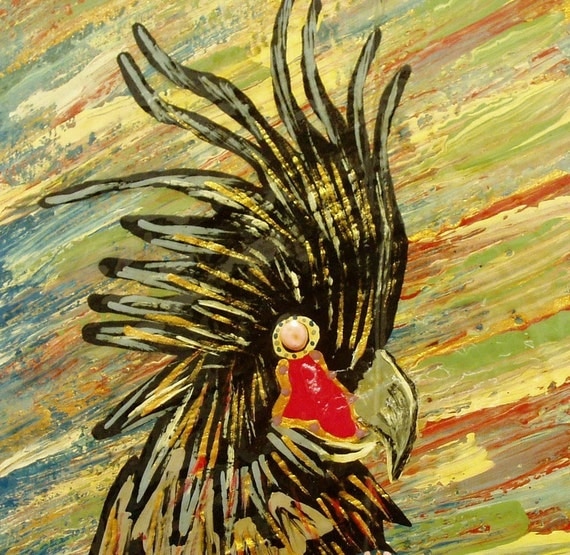
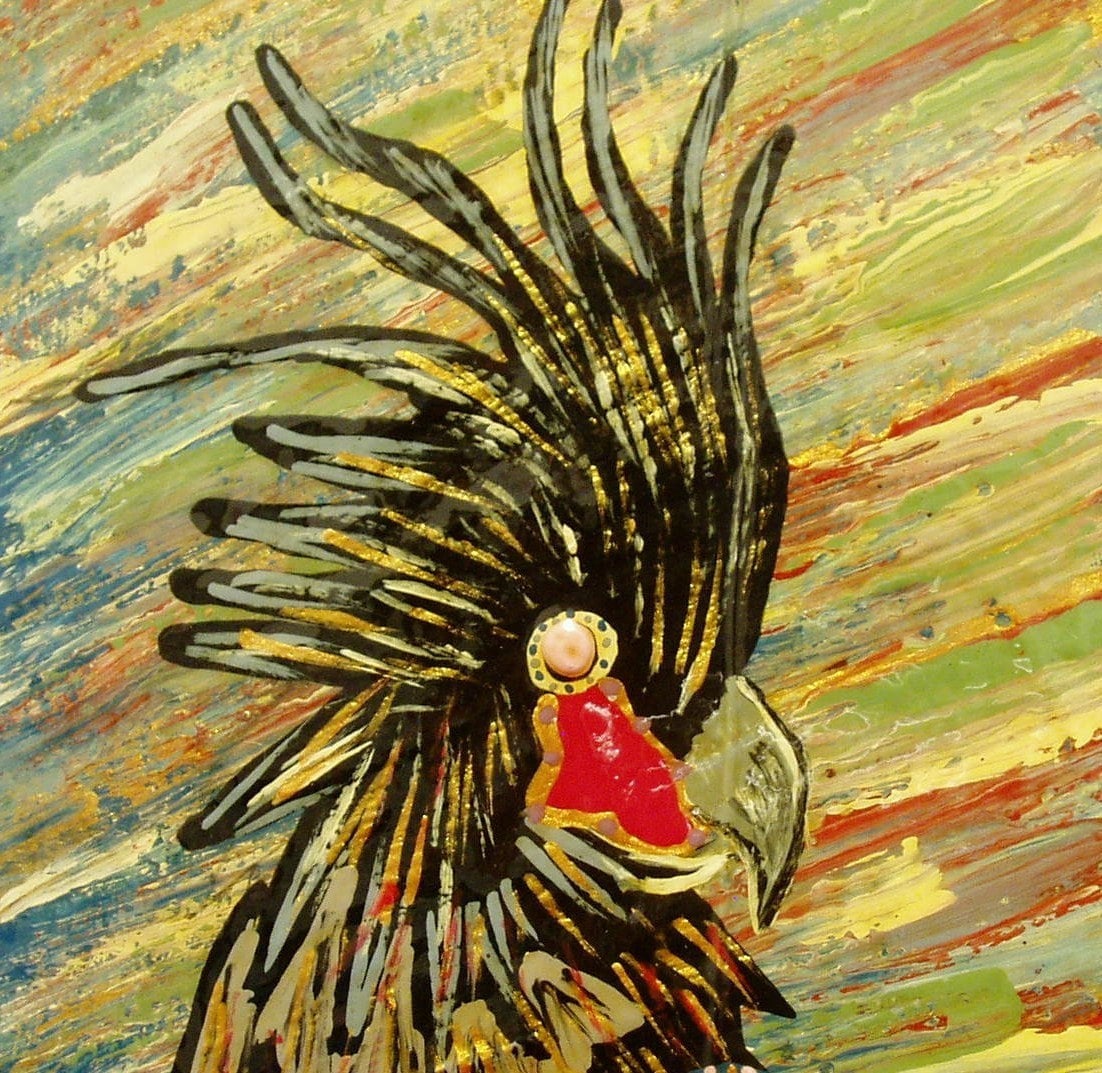
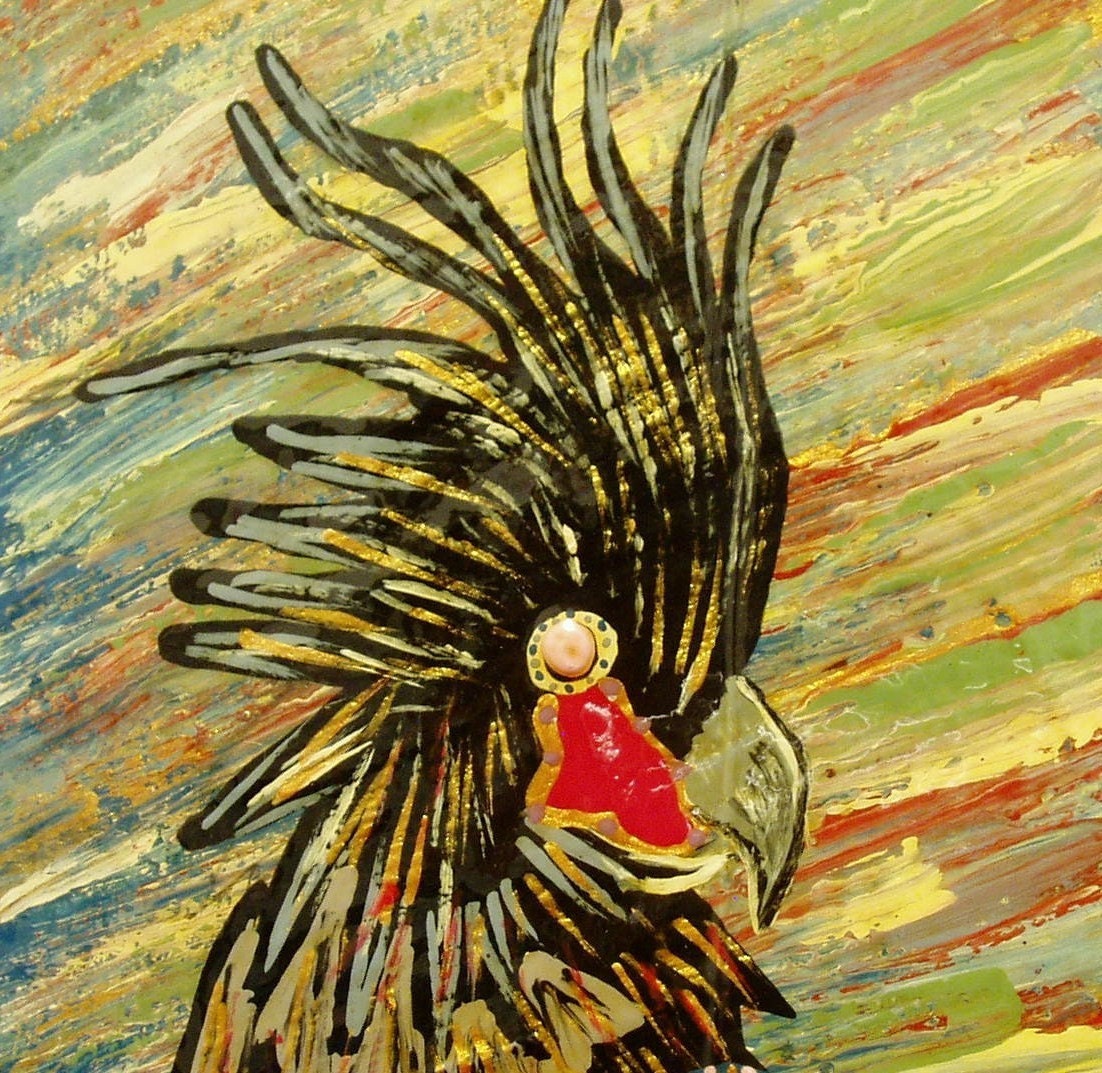
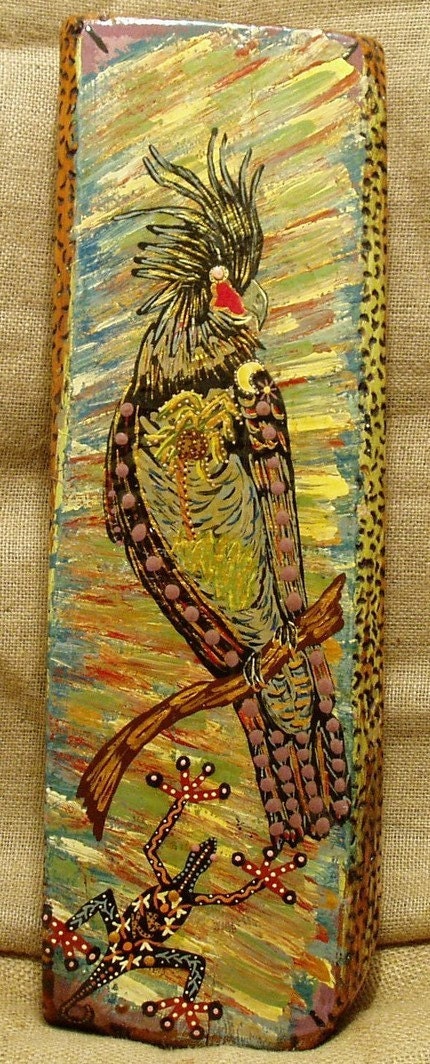

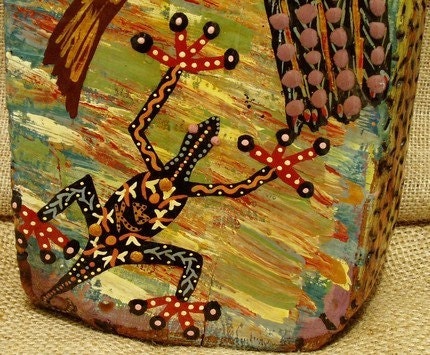
"Black Bird of Key Largo"
The allurement of the winds
blowing in the palm trees and the moon shining through and the "Black
Bird of Key Largo" looking upon.
Hong Kong Willie
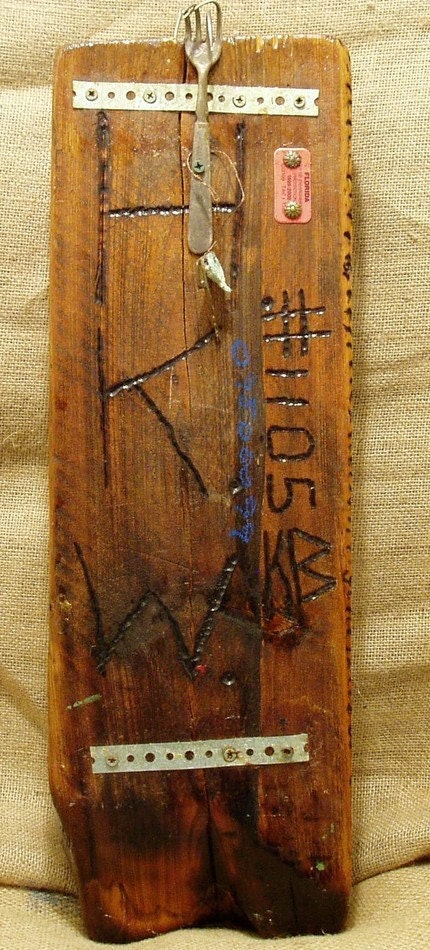
**HONG KONG WILLIE artist Kim Brown, chose aged Florida sawmill stock as
canvas. Recovered Brass Hanger: Key West lobster trap rigging.
Originally connects and suspends rigging of spiny lobster traps in Key
West waters. Candy-like appearance due to multiple protective layers.
Assigned number in artist register by Fisherman ID tag, corresponding
burn-etched # rear of piece. Key recovered by Robert Jordan, acclaimed
treasure hunter: also in identification of piece and artist.
Dimensions:
24" L
8" W
4" H
Weight: 17+ LB
The Hong Kong Willie Story
Sometimes, it’s the smallest experiences that have the biggest impact on a person’s life.While attending an art class in 1958 at the age of 8.
.
New Tampa Patch
By Tristram DeRoma
The Story Behind the Eye-Catching Art at I-75 Exit 266 Tampa Florida
Famous Recycling Artist Joe Brown, better known as "Hong Kong Willie," makes art with a message at his home/studio near
I-75 Exit 266 Tampa Florida
While attending an art class in 1958 at the age of 8, Tampa folk artist Joe Brown recalled being mesmerized by the lesson. It involved transforming a Gerber baby bottle into a piece of art.
“The Gerber bottle had no intrinsic value at all,” he said. “But when (the instructor) got through with me that day, she made me see how something so (valueless) can be valuable.”
By the time class was over, Brown learned many other lessons, too, such as the importance of volunteerism, recycling, reuse and giving back to the community. He recalled being impressed by the teacher's volunteer work in Hiroshima, Japan, helping atomic bomb survivors.
"One of the last words she ever spoke to me about that was, ‘When I left, I left out of Hong Kong,’ ” he said. After turning that over in his young brain for awhile, he decided to use it in a nickname, adding the name “Willie” a year later.
You've probably seen Hong Kong Willie's eye-catching home/gallery/studio at Fletcher Avenue and Interstate 75. But what is the story of the man behind all those buoys and discarded objects turned into art?
Brown practiced his creative skills through his younger years. But as an adult, he managed to amass a small fortune working in the materials management industry. By the the '80s, he left the business world and decided to concentrate on his art. He spent some years in the Florida Keys honing his craft and building his reputation as a folk artist. He also bought some land in Tampa near Morris Bridge Road and Fletcher Avenue where he and his family still call home.
Brown purchased the land just after the entrances and exits to I-75 were built. He said he was once offered more than $1 million for the land by a restaurant. He turned it down, he said, preferring instead to make part of the property into a studio and gallery for the creations he and his family put together.
And all of it is made of what most people would consider “trash.” Pieces of driftwood, burlap bags, doll heads, rope — anything that comes Brown’s way becomes part of his vocabulary of expression, and, in turn, becomes something else, which makes a tour of his property somewhat of a visual adventure. What at first seems like a random menagerie of glass, driftwood and pottery suddenly comes together in one's brain to form something completely different. One moment nothing, the next a powerful statement about 9/11.
One Man's Trash ...
Trash? There is no such thing, Brown seems to say through his art.
He keeps a blog about his art at hongkongwillie.blogspot.com..
In his shop, he has fashioned many smaller items out of driftwood, burlap bags and other materials into signs, purses, totes, bird feeder hangars and yard sculptures.
He sells a lot to the regular influx of University of South Florida parents and students every year who are are at first intrigued by the “buoy tree” and the odd-looking building they see as they take Exit 266 off I-75.
Brown Sells More Than Art
Of course, the real locals know Brown’s place for the quality of his worms.
If there’s one thing that Brown knows does well in the ground, it’s the Florida redworm, something he enthusiastically promotes, selling the indigenous species to customers for use in their compost piles. Some of his customers say his worms are just as good at the end of a fishing hook, though.
“To be honest, what made me come here is that they had scriptures on the top of his bait cans,” said customer John Brin. “Plus, they have good service. They’re nice and they’re kind, and they treat you like family.”
Though Brin knows Brown sells them mostly for composting, he said they are great for catching blue gill, sand perch and other local favorites. He also added that he likes getting his worms from Brown “because his bait stays alive longer than any other baits I’ve used.”
For prices and amounts, he has another blog dedicated just to worms.
Of course, many people also stop by to buy the smaller pieces of art that he and his family create: purses made of burlap, welcome signs made of driftwood, planters and other items lining the walls of his store.
He’s also helped put his mark on the decor of local establishments too, such as Gaspar’s Patio, 8448 N. 56th st.
Owner Jimmy Ciaccio said that when it came time to redecorate the restaurant several years ago, there was only one person to call for the assignment, and that was his good friend Brown.
"I’ve known Joe all my life, and we always had a good chemistry together,” Ciaccio said. "He’s very creative and fun to be around, and that’s how it all came about.”
Ciaccio says he still gets compliments all the time for the restaurant’s atmosphere he created using the “trash” supplied by Brown. He describes the style as a day at the beach, like a visit to Old Key West. “They’re so inspired, they want to decorate their own homes this way,” he said.
It’s that kind of testimony that makes Brown feel good, knowing that others, too, are inspired to create instead of throw away when they see his work. He simply lets his work speak for itself.
“Somebody once told me to keep telling the story and they will keep coming," he said, "and they always do."
.
Saturday
GREEN Handbags Green BAG SHOP
TRUE GREEN Handmade Handbags . HONG KONG WILLIE GREEN Handmade Handbag HUT. HONG KONG WILLIE TAMPA GREEN ARTIST. HONG KONG WILLIE ARTIST IN TAMPA. HONG KONG WILLIE AT I 75 EXIT 266 TAMPA. A SMALL TAMPA TOURIST ATTRACTION

Hong Kong Willie USF INTERVIEW
Recycling as a Lifestyle and a Business
By:
Chris Futrell, Florida Focus
TAMPA, Fla. – Have you ever seen the building on the corner of Fletcher and I-75 with a bunch of buoys strung everywhere? This small business that many think is an old bait n’ tackle shop is actually Hong Kong Willie.
Derek Brown, 26, and his family own and operate Hong Kong Willie. The little shop specializes in preservation art. The artists don’t take preservation too lightly either.
“99 percent of everything that has gone into a piece of art has been recycled and reused,” Brown said.
Just as unique as the art is, so is the company’s name. Brown says the name was created by his father, Joe Brown, in the 1950s.
“My father being in an art class, being affected by a teacher, they were melting Gerber baby food bottles," Brown said. "The teacher interjected that Hong Kong had a great reuse and recycling program even then.”
Brown's father then took that concept and later added the Americanized name Willie to the end. And that's how Hong Kong Willie was born as a location that offers recycling in a different and creative way.
Hong Kong Willie artists are what are known as freegans. Freegans are less concerned with materialistic things and more concerned about reducing consumption to lessen the footprint humans leave on this planet.
“I’m sure everyone has their own perception of a freegan, possibly jumping into a dumpster or picking up something on the side of the road,” Brown said. “There [are] people who will have excess. There [are] also things that can be trash to one man, but art or a prize to another man.”
Brown and his family carry this practice through to their art. It’s his family’s way of life, turning trash, which would otherwise fill up landfills, into an art form.
The Brown family gets a lot of their inspiration for their art from the Florida Keys. In fact, this is where the deluge of buoys wrapping around the ‘Buoys Tree’ came from, the fishermen of Key West.
“It is Styrofoam, we understand that it does not degrade, but to blame the fishermen for their livelihood wouldn’t be correct, instead we find a usage for those,” Brown said.
Brown said there’s a usage for everything, even the hooks to hold the painted driftwood, which are also salvaged, to the wall are old bent forks. Everything’s reused here. Purses made out of old coffee bean sacks to “kitschy,” as Brown described it, jewelry made from old baseballs.
“Hong Kong Willie truly believes that a piece, whether it’s a bag or a painted artwork, it’s meant for one person.”

.

Hong Kong Willie USF INTERVIEW
Recycling as a Lifestyle and a Business
By:
Chris Futrell, Florida Focus
TAMPA, Fla. – Have you ever seen the building on the corner of Fletcher and I-75 with a bunch of buoys strung everywhere? This small business that many think is an old bait n’ tackle shop is actually Hong Kong Willie.
Derek Brown, 26, and his family own and operate Hong Kong Willie. The little shop specializes in preservation art. The artists don’t take preservation too lightly either.
“99 percent of everything that has gone into a piece of art has been recycled and reused,” Brown said.
Just as unique as the art is, so is the company’s name. Brown says the name was created by his father, Joe Brown, in the 1950s.
“My father being in an art class, being affected by a teacher, they were melting Gerber baby food bottles," Brown said. "The teacher interjected that Hong Kong had a great reuse and recycling program even then.”
Brown's father then took that concept and later added the Americanized name Willie to the end. And that's how Hong Kong Willie was born as a location that offers recycling in a different and creative way.
Hong Kong Willie artists are what are known as freegans. Freegans are less concerned with materialistic things and more concerned about reducing consumption to lessen the footprint humans leave on this planet.
“I’m sure everyone has their own perception of a freegan, possibly jumping into a dumpster or picking up something on the side of the road,” Brown said. “There [are] people who will have excess. There [are] also things that can be trash to one man, but art or a prize to another man.”
Brown and his family carry this practice through to their art. It’s his family’s way of life, turning trash, which would otherwise fill up landfills, into an art form.
The Brown family gets a lot of their inspiration for their art from the Florida Keys. In fact, this is where the deluge of buoys wrapping around the ‘Buoys Tree’ came from, the fishermen of Key West.
“It is Styrofoam, we understand that it does not degrade, but to blame the fishermen for their livelihood wouldn’t be correct, instead we find a usage for those,” Brown said.
Brown said there’s a usage for everything, even the hooks to hold the painted driftwood, which are also salvaged, to the wall are old bent forks. Everything’s reused here. Purses made out of old coffee bean sacks to “kitschy,” as Brown described it, jewelry made from old baseballs.
“Hong Kong Willie truly believes that a piece, whether it’s a bag or a painted artwork, it’s meant for one person.”

.
Thursday
GREEN Handbags . UPDATED 8/24/2017
GREEN Handbags
Reuse artist.
Hong Kong Willie.Famous Etsy Reuse Artist. Artist of the 60’s in the now. Acclaimed Famous Florida folk artist, Living the Life of using objects for many uses. Follow the travels of life
GREEN Handbags made from reuse Burlap Bags. Artist in reuse in Handmade GREEN Handbags.The GREEN Handbags making a true green statement. GREEN Handbags that have a fashion of a hip style.Hong Kong Willie GREEN Handbags are a one of a kind handbag that will be a handbag for this time or a Handbag that you will have the rest or your life.

Artist Born for this time, Lived on a landfill as a child. Reuse Became the way of life. To read the story from the inception of the Name Hong Kong Willie. Famed, by the humble statements from the Key West Citizen, viable art from reuse has found its time. To Live a life in the art world and be so blessed to make a social impact. Artists are to give back, talent is to tell a story, to make change. Reuse is a life experience.
Hong Kong Willie Art Gallery In Tampa, a reuse Art Gallery. Artist Kim,Derek,and Joseph. reuse artist that have lived the life and are meant for the green movement in the world. A gallery that was born for this time. Artist living a freegan life,art that makes a social statement of reuse. Media that has a profound effect in making the word green truly a movement of reuse in the world today and the future.
Hong Kong Willie. The name of the artist. In 1958 his mother took Hong Kong Willie to an art class. The name started then. An art teacher when doing crafts out of Gerber baby bottles, made a statement, in Hong Kong reuse was common. At that time he thought this was very interesting. His father had low-land, at that time landfills were common also. The county had told Hong Kong Willie’s father, it was safe, but as we now know this was not so. Something can come from bad to be good. Hong Kong Willie the name came from that art teacher impressing on that young mind that objects made for one use could be for many other uses. Hong Kong for the neat concept. Willie for an American name. So for many years Hong Kong Willie had a life of reuse. Hong Kong Willie saw forms in a different light, His life now was meaningful, knowing this was and would be his life. Art made from found objects, making less of a footprint on this world. Art and art teachers, HOW IMPORTANT. For the ones that have, and the ones who have not. Media can be found. Now 50 years later, we know now being green is important. We need to look at this very carefully. Our children and our world need a different understanding. Objects can be used in many different ways. Hong Kong Willie the tons of objects in his life that have been used, without much change, So for that art teacher what she did for my life. Thank You. I still have the Gerber baby bottle till this day. Hong Kong Willie.
Recycling as a Lifestyle and a Business
Tampa Art Galleries. Hong Kong Willie Art Gallery
By:
Chris Futrell, Florida Focus
TAMPA, Fla. – Have you ever seen the building on the corner of Fletcher and I-75 with a bunch of buoys strung everywhere? This small business that many think is an old bait n’ tackle shop is actually Hong Kong Willie.
Derek Brown, 26, and his family own and operate Hongkongwillie . The little shop specializes in preservation art. The artists don’t take preservation too lightly either.
“99 percent of everything that has gone into a piece of art has been recycled and reused,” Brown said.
Just as unique as the art is, so is the company’s name. Brown says the name was created by his father, Joe Brown, in the 1950s.
“My father being in an art class, being affected by a teacher, they were melting Gerber baby food bottles," Brown said. "The teacher interjected that Hong Kong had a great reuse and recycling program even then.”
Brown's father then took that concept and later added the Americanized name Willie to the end. And that's how Hongkongwillie was born as a location that offers recycling in a different and creative way.
Hongkongwillie artists are what are known as freegans. Freegans are less concerned with materialistic things and more concerned about reducing consumption to lessen the footprint humans leave on this planet.
“I’m sure everyone has their own perception of a freegan, possibly jumping into a dumpster or picking up something on the side of the road,” Brown said. “There [are] people who will have excess. There [are] also things that can be trash to one man, but art or a prize to another man.”
Brown and his family carry this practice through to their art. It’s his family’s way of life, turning trash, which would otherwise fill up landfills, into an art form.
The Brown family gets a lot of their inspiration for their art from the Florida Keys. In fact, this is where the deluge of buoys wrapping around the ‘Buoys Tree’ came from, the fishermen of Key West.
“It is Styrofoam, we understand that it does not degrade, but to blame the fishermen for their livelihood wouldn’t be correct, instead we find a usage for those,” Brown said.
Brown said there’s a usage for everything, even the hooks to hold the painted driftwood, which are also salvaged, to the wall are old bent forks. Everything’s reused here. Purses made out of old coffee bean sacks to “kitschy,” as Brown described it, jewelry made from old baseballs.
Hongkongwillie truly believes that a piece, whether it’s a bag or a painted artwork, it’s meant for one person.”
Etsy Handbags
CALL US, WE ARE HERE.
ASK FOR
HONG KONG WILLIE.
813 770 4794
Reuse artist.
Hong Kong Willie.Famous Etsy Reuse Artist. Artist of the 60’s in the now. Acclaimed Famous Florida folk artist, Living the Life of using objects for many uses. Follow the travels of life
GREEN Handbags made from reuse Burlap Bags. Artist in reuse in Handmade GREEN Handbags.The GREEN Handbags making a true green statement. GREEN Handbags that have a fashion of a hip style.Hong Kong Willie GREEN Handbags are a one of a kind handbag that will be a handbag for this time or a Handbag that you will have the rest or your life.

Tampa Art Gallery USF
GREEN Handbags
Artist Born for this time, Lived on a landfill as a child. Reuse Became the way of life. To read the story from the inception of the Name Hong Kong Willie. Famed, by the humble statements from the Key West Citizen, viable art from reuse has found its time. To Live a life in the art world and be so blessed to make a social impact. Artists are to give back, talent is to tell a story, to make change. Reuse is a life experience.
Hong Kong Willie Art Gallery In Tampa, a reuse Art Gallery. Artist Kim,Derek,and Joseph. reuse artist that have lived the life and are meant for the green movement in the world. A gallery that was born for this time. Artist living a freegan life,art that makes a social statement of reuse. Media that has a profound effect in making the word green truly a movement of reuse in the world today and the future.
Tampa Art Gallery
MY FOX TAMPA BAY
GREEN Handbags
Hong Kong Willie. The name of the artist. In 1958 his mother took Hong Kong Willie to an art class. The name started then. An art teacher when doing crafts out of Gerber baby bottles, made a statement, in Hong Kong reuse was common. At that time he thought this was very interesting. His father had low-land, at that time landfills were common also. The county had told Hong Kong Willie’s father, it was safe, but as we now know this was not so. Something can come from bad to be good. Hong Kong Willie the name came from that art teacher impressing on that young mind that objects made for one use could be for many other uses. Hong Kong for the neat concept. Willie for an American name. So for many years Hong Kong Willie had a life of reuse. Hong Kong Willie saw forms in a different light, His life now was meaningful, knowing this was and would be his life. Art made from found objects, making less of a footprint on this world. Art and art teachers, HOW IMPORTANT. For the ones that have, and the ones who have not. Media can be found. Now 50 years later, we know now being green is important. We need to look at this very carefully. Our children and our world need a different understanding. Objects can be used in many different ways. Hong Kong Willie the tons of objects in his life that have been used, without much change, So for that art teacher what she did for my life. Thank You. I still have the Gerber baby bottle till this day. Hong Kong Willie.
Recycling as a Lifestyle and a Business
Tampa Art Galleries. Hong Kong Willie Art Gallery
By:
Chris Futrell, Florida Focus
TAMPA, Fla. – Have you ever seen the building on the corner of Fletcher and I-75 with a bunch of buoys strung everywhere? This small business that many think is an old bait n’ tackle shop is actually Hong Kong Willie.
Derek Brown, 26, and his family own and operate Hongkongwillie . The little shop specializes in preservation art. The artists don’t take preservation too lightly either.
“99 percent of everything that has gone into a piece of art has been recycled and reused,” Brown said.
Just as unique as the art is, so is the company’s name. Brown says the name was created by his father, Joe Brown, in the 1950s.
“My father being in an art class, being affected by a teacher, they were melting Gerber baby food bottles," Brown said. "The teacher interjected that Hong Kong had a great reuse and recycling program even then.”
Brown's father then took that concept and later added the Americanized name Willie to the end. And that's how Hongkongwillie was born as a location that offers recycling in a different and creative way.
Hongkongwillie artists are what are known as freegans. Freegans are less concerned with materialistic things and more concerned about reducing consumption to lessen the footprint humans leave on this planet.
“I’m sure everyone has their own perception of a freegan, possibly jumping into a dumpster or picking up something on the side of the road,” Brown said. “There [are] people who will have excess. There [are] also things that can be trash to one man, but art or a prize to another man.”
Brown and his family carry this practice through to their art. It’s his family’s way of life, turning trash, which would otherwise fill up landfills, into an art form.
The Brown family gets a lot of their inspiration for their art from the Florida Keys. In fact, this is where the deluge of buoys wrapping around the ‘Buoys Tree’ came from, the fishermen of Key West.
“It is Styrofoam, we understand that it does not degrade, but to blame the fishermen for their livelihood wouldn’t be correct, instead we find a usage for those,” Brown said.
Brown said there’s a usage for everything, even the hooks to hold the painted driftwood, which are also salvaged, to the wall are old bent forks. Everything’s reused here. Purses made out of old coffee bean sacks to “kitschy,” as Brown described it, jewelry made from old baseballs.
Hongkongwillie truly believes that a piece, whether it’s a bag or a painted artwork, it’s meant for one person.”
FAMOUS,
ETSY Tampa Art Gallery
FAMOUS, ETSY Tampa Art Gallery
Etsy Handbags
Subscribe to:
Posts (Atom)