
LANDFILLS LIVE FOREVER
Landfills are forever,
Like massive coffee percolators. This is the reason we should explore other uses of our refuse.
Hong Kong Willie Art ,Blue Marlin Dream of Key West. $525,000
THE IRONY OF IT ALL

This is a excerpt from a study OF THE LANDFILL (CITY DUMP) HONGKONGWILLIE LIVED ON.. Follow this link
Gunn Highway Landfill
The Gunn Highway Landfill is located off Gunn Highway in Tampa, Hillsborough County, Florida. The county operated the landfill as a trench-type facility for the disposal of MSW from 1958 to 1962. The landfill disposal areas occupied approximately fifteen acres. After the landfill was closed, the property was subdivided and developed. A total of thirteen apartment buildings and a clubhouse were constructed over the waste-filled areas of the landfill. According to an investigation report by a consulting firm, see Geraghty & Miller (1996), the foundations for these structures were built as follows:
The complex is founded on timber piles and post-tensioned concrete structural slab systems due to the subsurface conditions. The construction drawings approved by Hillsborough County for the apartment complex indicate that a synthetic membrane was to be installed beneath the slabs to block and disperse the migration of methane gas, generated by the decomposition of solid waste.
Even though efforts were made during construction to prevent methane gas generated by the waste from seeping into the structures, problems were discovered in the late 1980's. In addition, differential settlement of the waste has resulted in cracks in the overlying structures in spite of the attempt to establish an adequate pile foundation system for those structures.
Numerous investigations have been conducted at the property evaluating whether methane gas has migrated into the on-site structures and evaluating the potential for the gas to migrate off-site through utility trenches containing electrical conduits, sanitary sewers and stormwater pipes. Some gas monitoring data report methane gas concentrations in the soils at levels significantly higher than 100 percent of the lower explosive limit (LEL) for methane. Methane gas has consistently been detected under the slabs at the clubhouse and at many of the apartment buildings. Fortunately, methane gas has not been detected in the first floor apartments. Additional ventilation has been added to on-site structures and concrete floors have been resealed to try and minimize the risks from methane gas accumulation. While investigators now believe that the levels of methane gas are decreasing at the site, indicating that the Gunn Highway Landfill may have passed its peak methane generation rate, gas monitoring is still continuing and is likely to be required for many more years.
Hong Kong Willie Art ,Blue Marlin Dream of Key West. $525,000
THE IRONY OF IT ALL

My Father was a generous man . Hillsborough County was in need for a dump. They showed him studies that DUMPS(they called SANITARY LANDFILL) WERE SAFE. HE DONATED THE LAND FOR THAT USE. NEVER RECEIVED ONE CENT OF COMPENSATION,AND DID THIS AS A PUBLIC SERVICE.
SANITARY LANDFILLS,CONTUNE AS THIS IS WRITEN ,AND MANY DANGERS CONTUNE WITH
SANITARY LANDFILLS,
The Dump i lived on still today exist ,but buried with all of its secrets.
This is a excerpt from a study OF THE LANDFILL (CITY DUMP) HONGKONGWILLIE LIVED ON.. Follow this link
Gunn Highway Landfill
The Gunn Highway Landfill is located off Gunn Highway in Tampa, Hillsborough County, Florida. The county operated the landfill as a trench-type facility for the disposal of MSW from 1958 to 1962. The landfill disposal areas occupied approximately fifteen acres. After the landfill was closed, the property was subdivided and developed. A total of thirteen apartment buildings and a clubhouse were constructed over the waste-filled areas of the landfill. According to an investigation report by a consulting firm, see Geraghty & Miller (1996), the foundations for these structures were built as follows:
The complex is founded on timber piles and post-tensioned concrete structural slab systems due to the subsurface conditions. The construction drawings approved by Hillsborough County for the apartment complex indicate that a synthetic membrane was to be installed beneath the slabs to block and disperse the migration of methane gas, generated by the decomposition of solid waste.
Even though efforts were made during construction to prevent methane gas generated by the waste from seeping into the structures, problems were discovered in the late 1980's. In addition, differential settlement of the waste has resulted in cracks in the overlying structures in spite of the attempt to establish an adequate pile foundation system for those structures.
Numerous investigations have been conducted at the property evaluating whether methane gas has migrated into the on-site structures and evaluating the potential for the gas to migrate off-site through utility trenches containing electrical conduits, sanitary sewers and stormwater pipes. Some gas monitoring data report methane gas concentrations in the soils at levels significantly higher than 100 percent of the lower explosive limit (LEL) for methane. Methane gas has consistently been detected under the slabs at the clubhouse and at many of the apartment buildings. Fortunately, methane gas has not been detected in the first floor apartments. Additional ventilation has been added to on-site structures and concrete floors have been resealed to try and minimize the risks from methane gas accumulation. While investigators now believe that the levels of methane gas are decreasing at the site, indicating that the Gunn Highway Landfill may have passed its peak methane generation rate, gas monitoring is still continuing and is likely to be required for many more years.
Artist Born for this time, Lived on a landfill as a child.

FOX NEWS Hong Kong Willie
Reuse Became the way of life. To read the story from the inception of the Name Hong Kong Willie. Famed, by the humble statements from the Key West Citizen, viable art from reuse has found its time. To Live a life in the art world and be so blessed to make a social impact. Artists are to give back, talent is to tell a story, to make change. Reuse is a life experience
It,(was the dump) that had all this media, and a young enterprising mind. Not enough time to capture it all.
Tampa Art Gallery University of South Florida, Florida Focus,Fletcher and 75
Landfills are forever, like massive coffee percolators. This is the reason we should explore other uses of our refuse. Follow this link. Update to how a landfill CATASTROPHE can be.
Lithia, Florida -- A sinkhole that opened up under a Bay area landfill has county authorities on edge.. This event Happened in December of 2010.
Then the smell hits. Like the sour stench that puffs up when you tie up a kitchen trash bag.
TAMPA — The sinkhole in a Lithia landfill continues to grow, now measuring 80 feet wide and 60 feet deep.
Landfill with gaping sinkhole
Sinkhole at landfill still a year away from being fixed.
County monitors water near sinkhole
The sinkhole is in an older part of the 3,300-acre tract at 1596 County Road 672, which opened in 1984. The area where the cavern opened up contains a mix of municipal solid waste and ash from the county's resource recovery facility.
Black Bird of Key Largo
$198,000 To Buy contact Hongkongwillie
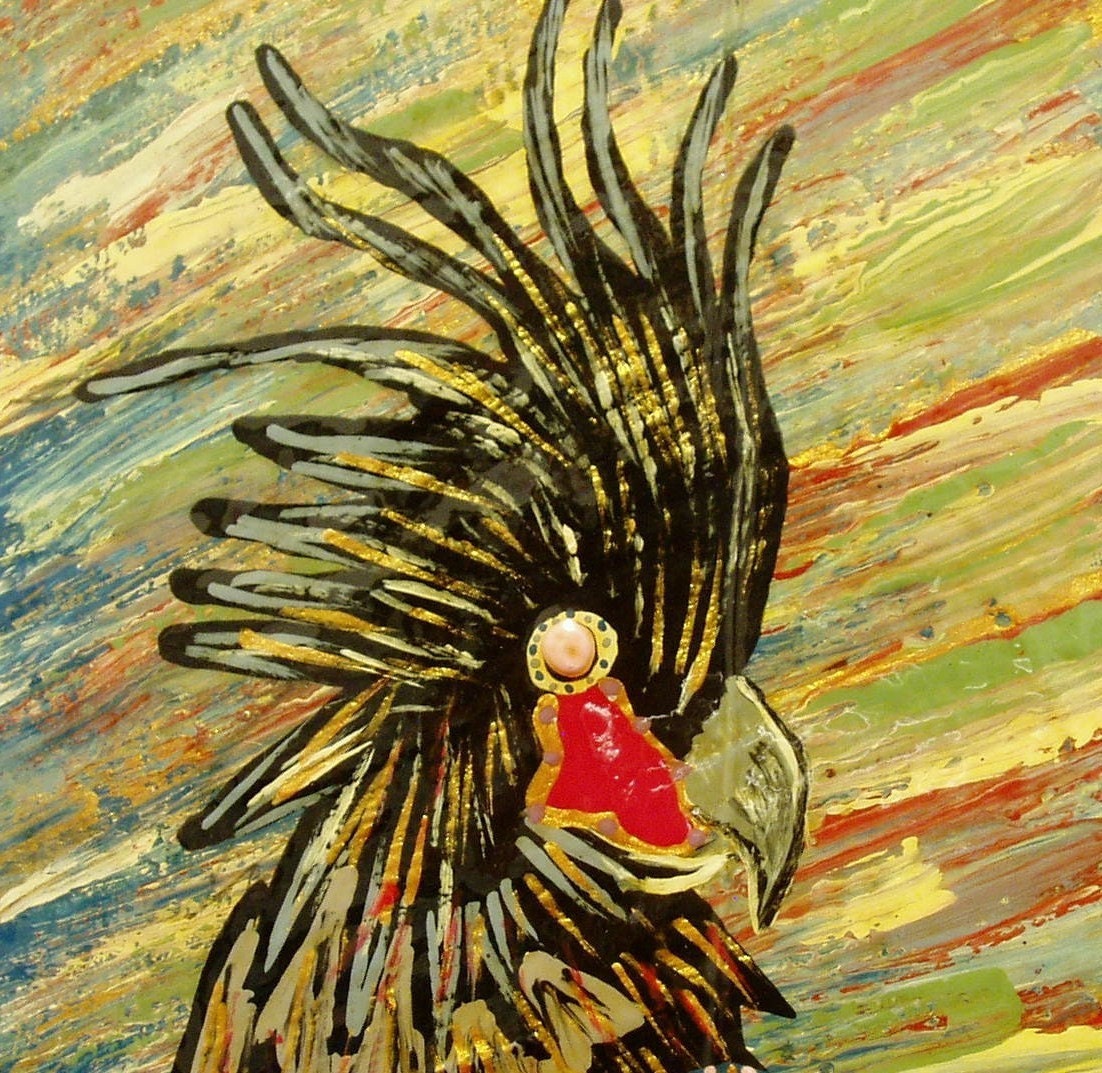
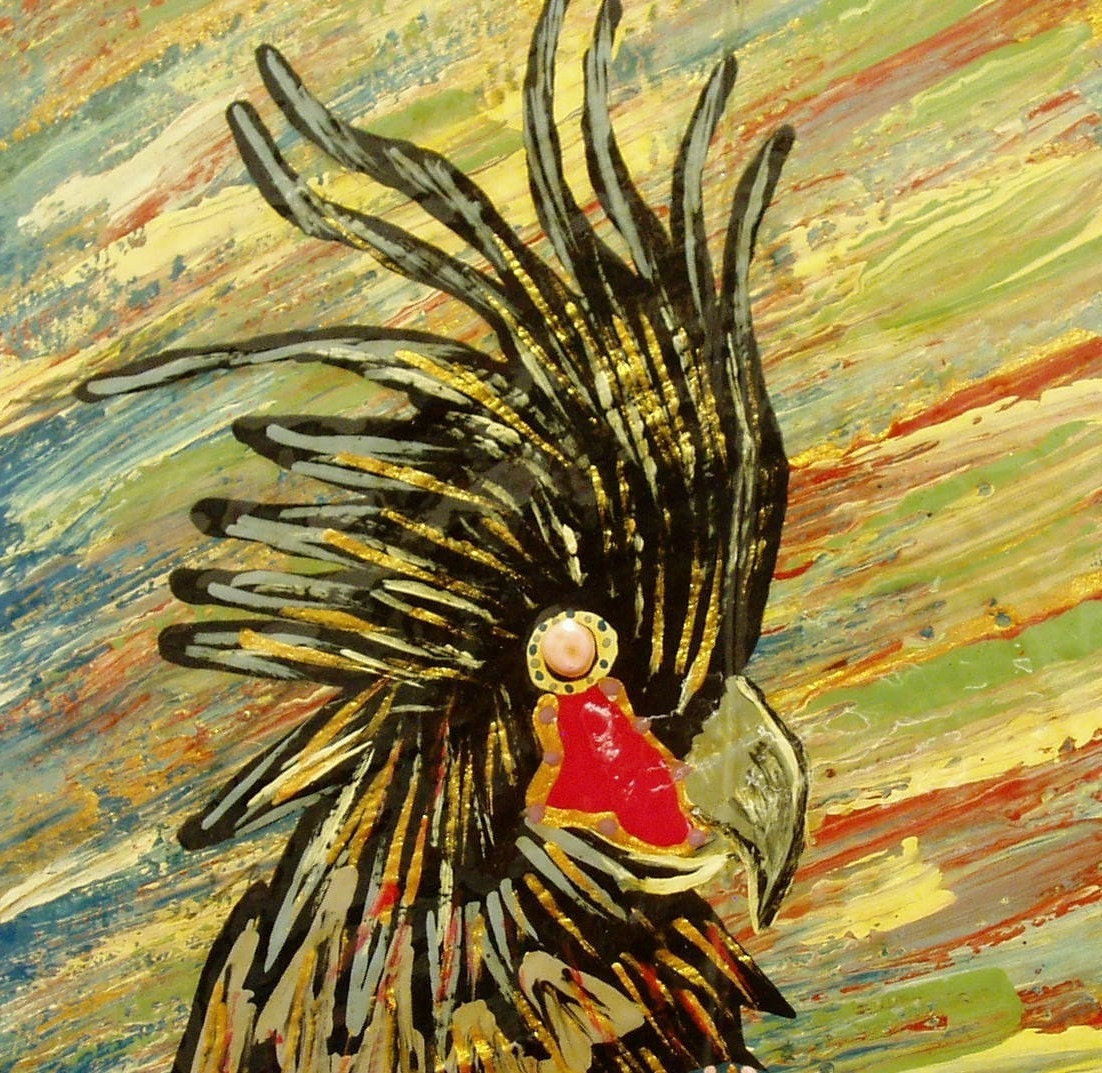
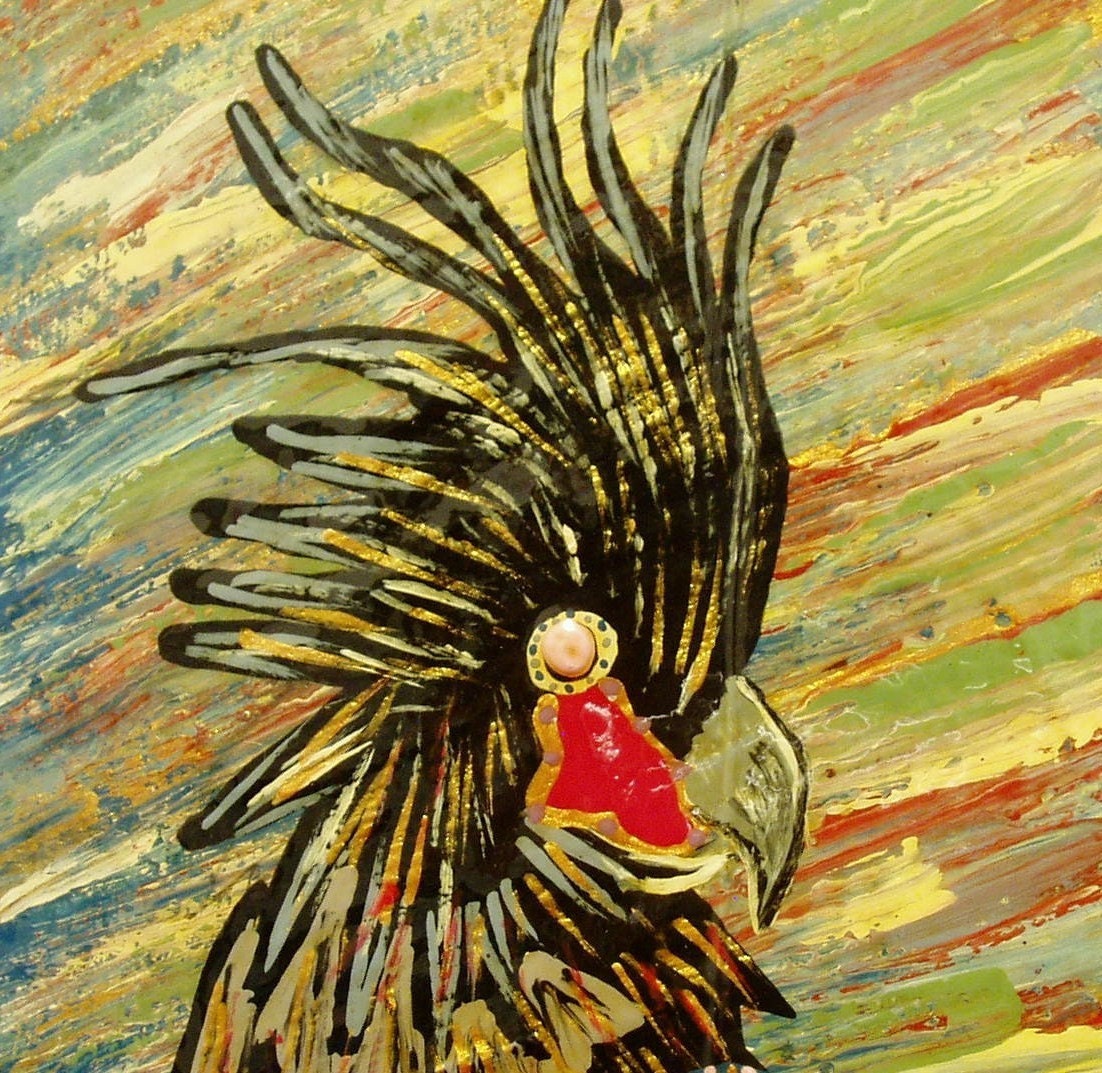
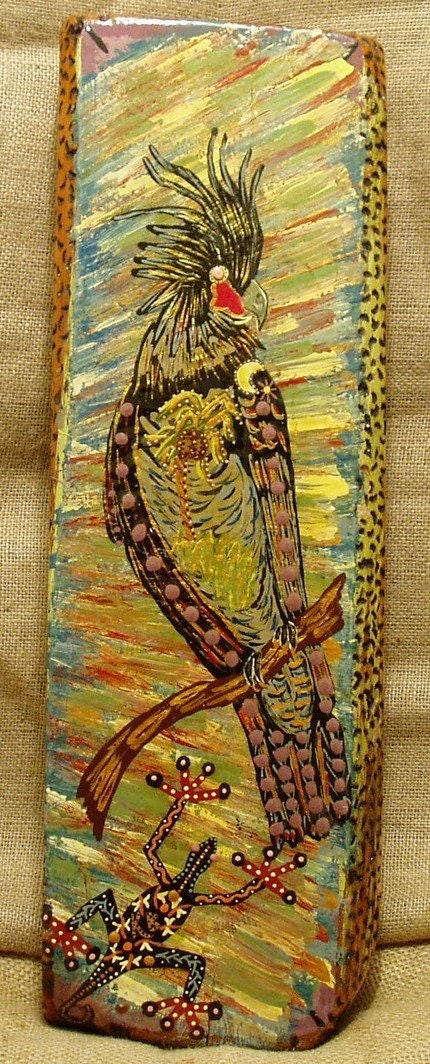
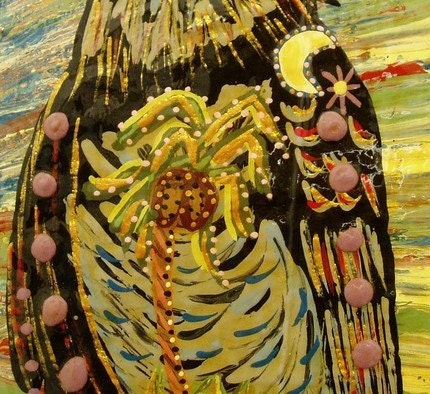
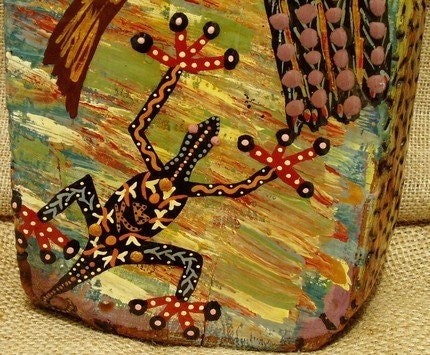

The allurement of the winds blowing in the palm trees and the moon shining through and the "Black Bird of Key Largo" looking upon.
Hong Kong Willie
**HONG KONG WILLIE artist Kim Brown, chose aged Florida sawmill stock as canvas. Recovered Brass Hanger: Key West lobster trap rigging. Originally connects and suspends rigging of spiny lobster traps in Key West waters. Candy-like appearance due to multiple protective layers. Assigned number in artist register by Fisherman ID tag, corresponding burn-etched # rear of piece. Key recovered by Robert Jordan, acclaimed treasure hunter: also in identification of piece and artist.
Dimensions:
24" L
8" W
4" H
Weight: 17+ LB
New Tampa Patch
By Tristram DeRoma
The Story Behind the Eye-Catching Art at I-75 Exit 266 Tampa Florida
Folk artist Joe Brown, better known as "Hong Kong Willie," makes art with a message at his home/studio near
I-75 Exit 266 Tampa Florida
While attending an art class in 1958 at the age of 8, Tampa folk artist Joe Brown recalled being mesmerized by the lesson. It involved transforming a Gerber baby bottle into a piece of art.
“The Gerber bottle had no intrinsic value at all,” he said. “But when (the instructor) got through with me that day, she made me see how something so (valueless) can be valuable.”
By the time class was over, Brown learned many other lessons, too, such as the importance of volunteerism, recycling, reuse and giving back to the community. He recalled being impressed by the teacher's volunteer work in Hiroshima, Japan, helping atomic bomb survivors.
"One of the last words she ever spoke to me about that was, ‘When I left, I left out of Hong Kong,’ ” he said. After turning that over in his young brain for awhile, he decided to use it in a nickname, adding the name “Willie” a year later.
You've probably seen Hong Kong Willie's eye-catching home/gallery/studio at Fletcher Avenue and Interstate 75. But what is the story of the man behind all those buoys and discarded objects turned into art?
Brown practiced his creative skills through his younger years. But as an adult, he managed to amass a small fortune working in the materials management industry. By the the '80s, he left the business world and decided to concentrate on his art. He spent some years in the Florida Keys honing his craft and building his reputation as a folk artist. He also bought some land in Tampa near Morris Bridge Road and Fletcher Avenue where he and his family still call home.
Brown purchased the land just after the entrances and exits to I-75 were built. He said he was once offered more than $3 million for the land by a restaurant. He turned it down, he said, preferring instead to make part of the property into a studio and gallery for the creations he and his family put together.
And all of it is made of what most people would consider “trash.” Pieces of driftwood, burlap bags, doll heads, rope — anything that comes Brown’s way becomes part of his vocabulary of expression, and, in turn, becomes something else, which makes a tour of his property somewhat of a visual adventure. What at first seems like a random menagerie of glass, driftwood and pottery suddenly comes together in one's brain to form something completely different. One moment nothing, the next a powerful statement about 9/11.
One Man's Trash ...
Trash? There is no such thing, Brown seems to say through his art.
He keeps a blog about his art at hongkongwillie.blogspot.com. .
In his shop, he has fashioned many smaller items out of driftwood, burlap bags and other materials into signs, purses, totes, bird feeder hangars and yard sculptures.
He sells a lot to the regular influx of University of South Florida parents and students every year who are are at first intrigued by the “buoy tree” and the odd-looking building they see as they take Exit 266 off I-75.
He’s also helped put his mark on the decor of local establishments too, such as Gaspar’s Patio, 8448 N. 56th st.
Owner Jimmy Ciaccio said that when it came time to redecorate the restaurant several years ago, there was only one person to call for the assignment, and that was his good friend Brown.
"I’ve known Joe all my life, and we always had a good chemistry together,” Ciaccio said. "He’s very creative and fun to be around, and that’s how it all came about.”
Ciaccio says he still gets compliments all the time for the restaurant’s atmosphere he created using the “trash” supplied by Brown. He describes the style as a day at the beach, like a visit to Old Key West. “They’re so inspired, they want to decorate their own homes this way,” he said.
It’s that kind of testimony that makes Brown feel good, knowing that others, too, are inspired to create instead of throw away when they see his work. He simply lets his work speak for itself.
“Somebody once told me to keep telling the story and they will keep coming," he said, "and they always do."
Hong Kong Willie. The name of the artist. In 1958 his mother took Hong Kong Willie to an art class. The name started then. An art teacher when doing crafts out of Gerber baby bottles, made a statement, in Hong Kong reuse was common. At that time he thought this was very interesting. The county had told Hong Kong Willie’s father, it was safe, but as we now know this was not so. Something can come from bad to be good. Hong Kong Willie the name came from that art teacher impressing on that young mind that objects made for one use could be for many other uses. Hong Kong for the neat concept. Willie for an American name. . Now 50 years later, we know now being green is important. We need to look at this very carefully. Our children and our world need a different understanding. Objects can be used in many different ways. Hong Kong Willie the tons of objects in his life that have been used, without much change, So for that art teacher what she did for my life. Thank You. I still have the Gerber baby bottle till this day. Hong Kong Willie
